
The November 12 Hemp THC Change, Explained
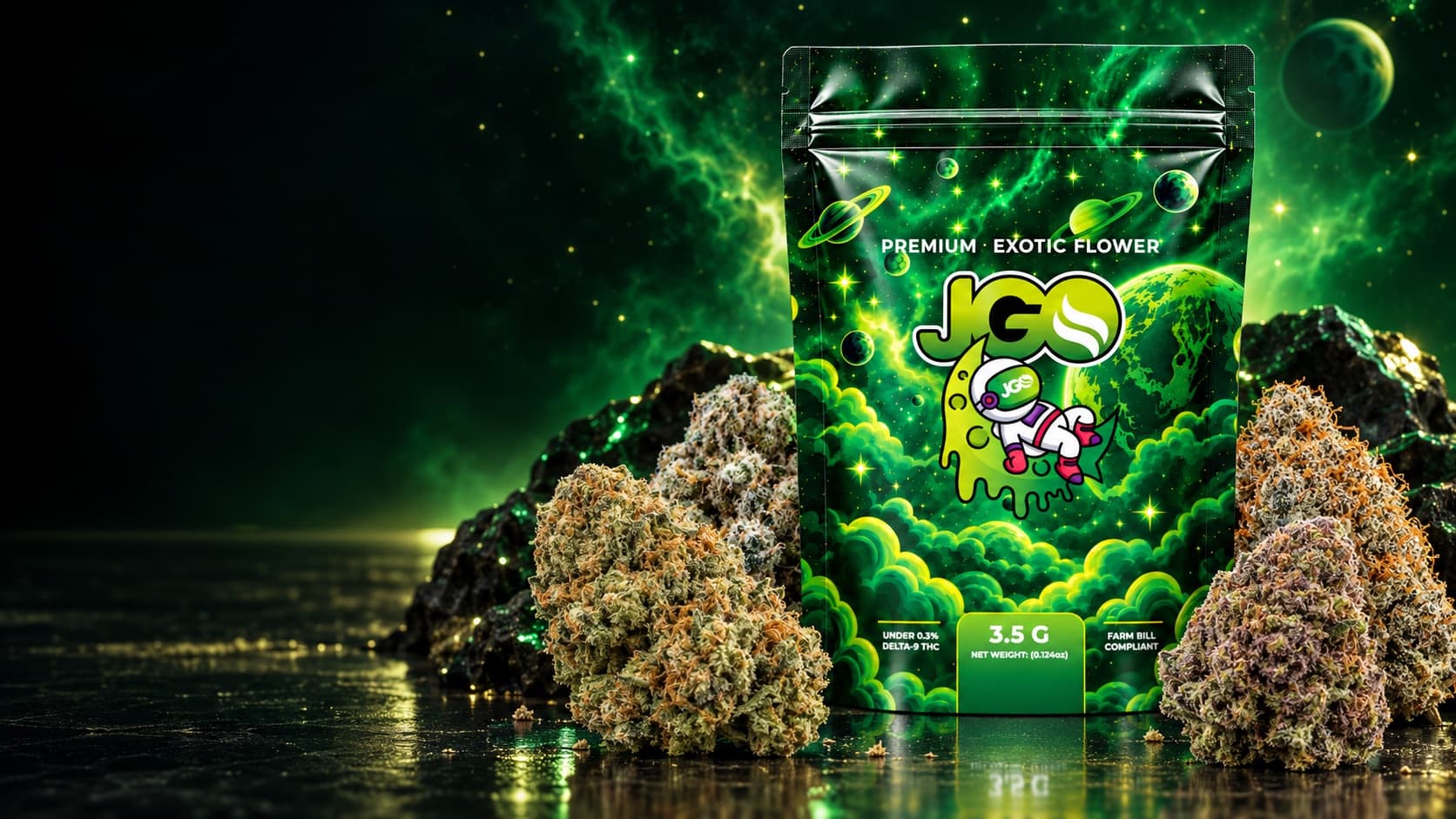
For seven years, the legal line between hemp and marijuana in the United States has been a single number: 0.3% Δ9 THC by dry weight. That number is about to change in a way that matters if you buy THCa flower — and does not matter at all if you buy JGO's hemp gummies. Here is the whole story in plain language.
What the 2018 Farm Bill said
The 2018 Farm Bill defined hemp as cannabis containing no more than 0.3% Δ9 THC on a dry-weight basis. Anything under that threshold is hemp and legal to grow, sell, and ship across state lines. Anything over it is marijuana under federal law.
The definition only measured Δ9 THC — the compound that produces a high. It said nothing about THCa, the acidic precursor that cannabis plants actually produce. THCa is not psychoactive until it is heated, and it is not counted in a Δ9-only test. That gap is why high-THCa flower could be sold as hemp: it tests under 0.3% Δ9 at harvest even though it delivers full-strength THC once smoked.
What changes on November 12
A federal law enacted in November 2025 amends the definition of hemp to use a total THC standard. Total THC counts both Δ9 THC and the THCa that converts into it when heated, using the standard formula: total THC = Δ9 THC + (THCa × 0.877).
Run a typical THCa strain through that formula and the result is nowhere near 0.3%. A flower testing 30% THCa and 0.24% Δ9 comes out around 26.5% total THC. Under the new standard that flower is not hemp, and it cannot be sold or shipped as hemp anywhere in the country. The law takes effect 365 days after its November 12, 2025 enactment, so the effective date is November 12, 2026; JGO stops selling flower before that day.
What it means for THCa flower
THCa flower is a limited-time product by definition now. Retailers can sell through their inventory until the effective date, and customers can buy and receive it until then. After the deadline the category goes away at the federal level, regardless of what any individual state does.
That is why JGO's Flower zone is explicitly a limited run with a countdown on it. We are not sitting on hope for a last-minute reversal. Every strain on the shelf has a current certificate of analysis, and we will ship right up to the deadline. If you want to stock up, the ounce is the best per-gram price we offer.
What it means for CBD flower
CBD flower carries only trace THCa, but "trace" is still more than the new line allows. Our CBD strains test between roughly 0.5% and 0.8% total THC once the THCa is counted — well under the current Δ9 rule, over the new total-THC rule. Some low-THCa cultivars may squeak under 0.3% total, but JGO is treating the entire Flower zone, CBD included, as a limited run that ends on November 12.
What does not change: JGO's hemp gummies
JGO's botanical gummies and topicals are made with hemp seed oil — the oil pressed from hemp seeds. Hemp seed oil contains no THC, no THCa, and no CBD. It is a food ingredient, and it is unaffected by the total-THC standard because there is no THC in it to count. If you have been buying our gummies for years, nothing about them changes on November 12.
What JGO is doing
- Selling THCa flower in a separate, clearly labeled, 21+ Flower zone with a certificate of analysis on every product page.
- Shipping only to states where the product is legal today.
- Shipping every order placed before the deadline.
- Retiring the THCa line on November 12 and continuing the botanical line as always.
Frequently asked questions
Can I still buy THCa flower right now?
Yes. It is legal hemp under the current Δ9 standard until the effective date. Browse the Flower zone.
Will my order ship if I buy on the last day?
Orders placed before the deadline ship as normal.
Does this affect my JGO gummy subscription?
No. The gummies contain no cannabinoids and are not affected.
Where can I read the actual law?
The change is in H.R. 5371, Section 781, enacted November 2025. Consult an attorney for advice about your specific state.
This article is general information, not legal advice. State laws vary and change quickly.